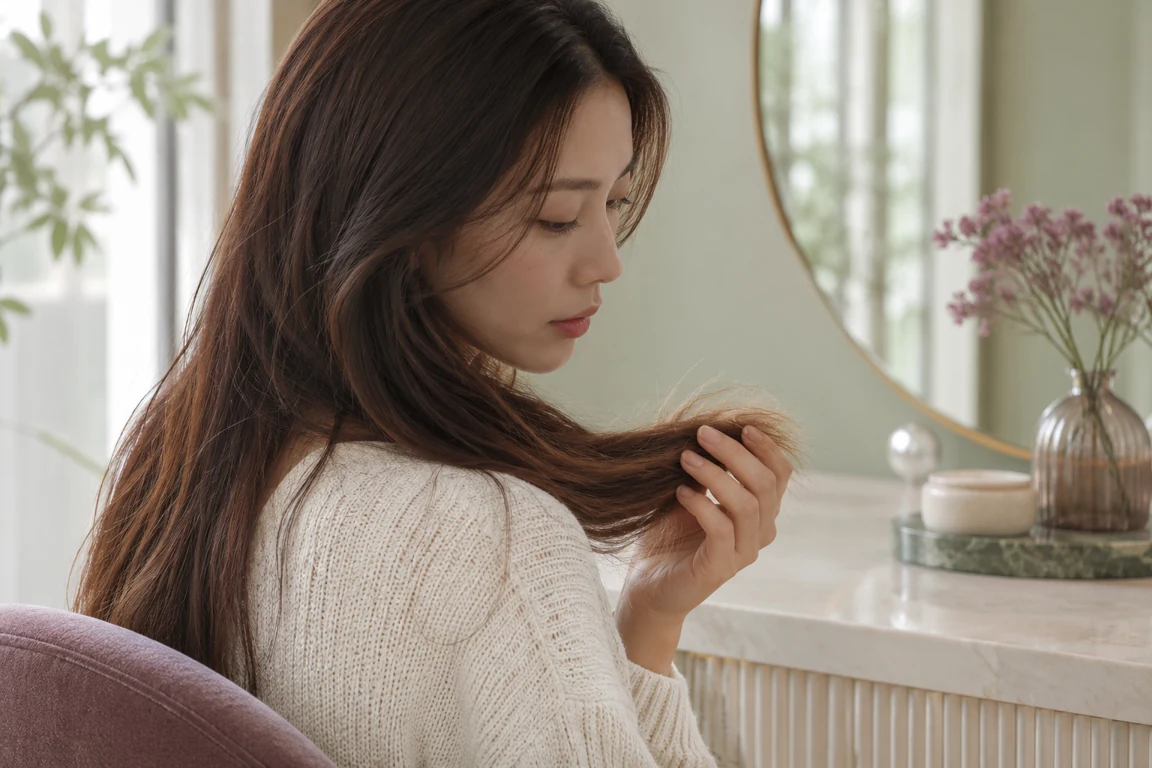
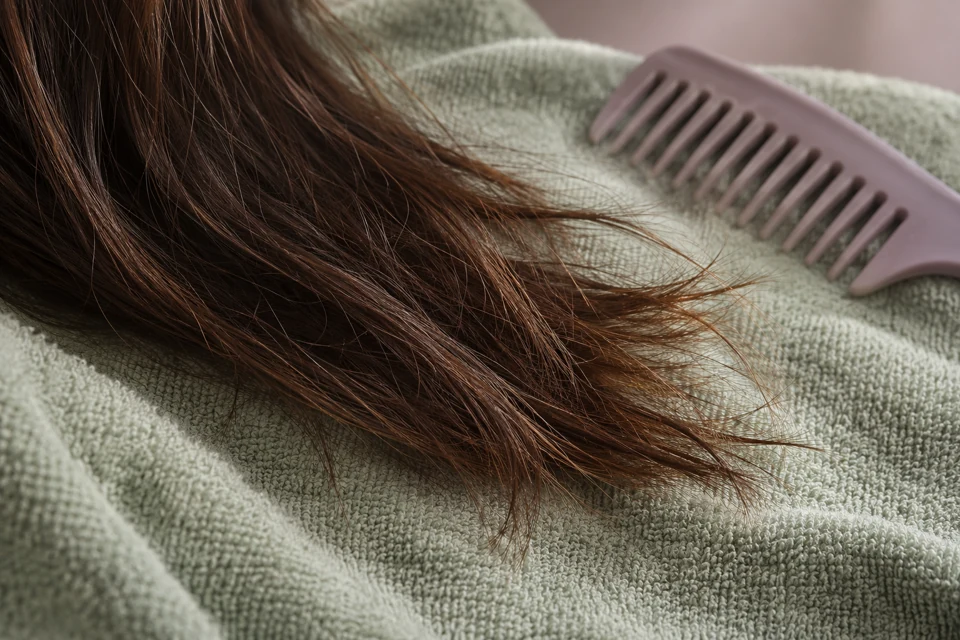
We look at the hair before deciding how to care for it.
Look at why it’s hard to manage
We ask about colouring and perming and look at where dryness, split ends, tangling or breakage are most noticeable.
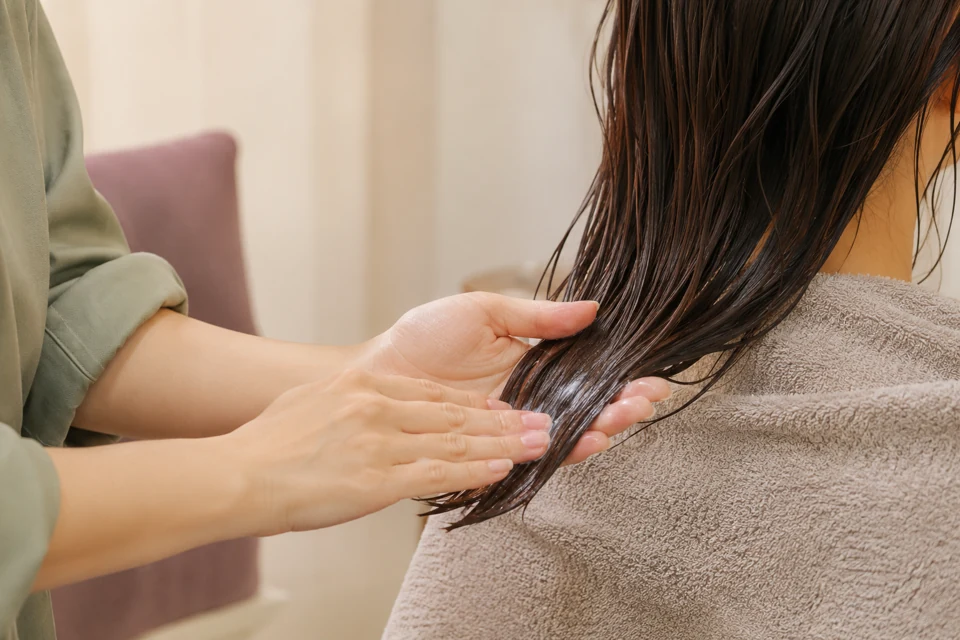
Tailor the care to those areas
We combine conditioning proteins, moisture and smoothing care where appropriate, rather than treating every section the same.
Choose a practical way to maintain it
We explain what you can adjust at home, from wash routines and drying temperature to future colouring or perming.
Hair reconstruction is cosmetic care for feel, shine and manageability, not permanent repair. Future colouring, perming, heat, sun exposure and home care can affect how your hair feels.
03 · Tailor conditioning to the lengths (illustration)
Still deciding?
See what your hair needs before you commit.
Bring the products you use, or tell us when you last coloured or permed your hair. At a free scalp check we can look at visible hair and scalp features at 50–200× magnification, then explain what can be managed at home and when an in-salon option might be worth considering.
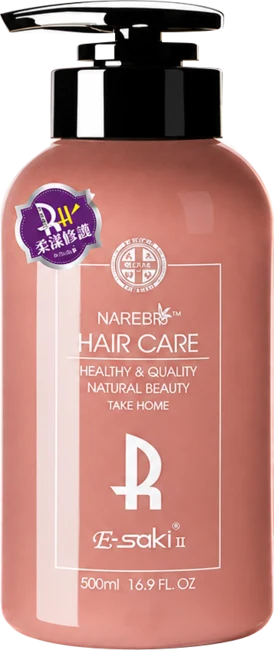
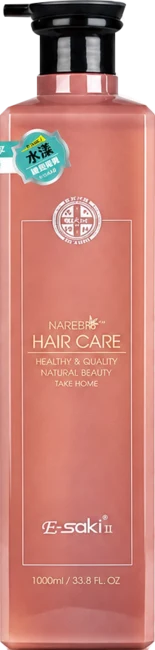
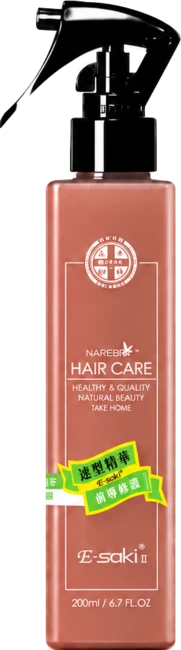
In salon, we look at chemical-treatment history and the affected lengths before choosing protein, moisture or smoothing care. At home, these ESAKI products are alternatives for different needs, not three required steps.
Dry, frizzy lengths after bleaching
RH Hair Repair Treatment
Camellia oil and provitamin B5 are part of this rinse-out formula, which focuses on a smoother, more conditioned feel. Consider it for dry lengths after colouring or bleaching, and follow the pack directions.
A leave-in option when everyday tangles are the main issue and you want one less step after washing. Apply to lengths and ends as directed on the packaging.
An option for flyaway or frizzy lengths when moisture, softness and shine are the priorities. It’s for the hair, not the scalp. Follow the bottle directions.
How does hair reconstruction differ from a standard conditioning treatment?
We first consider weakness, dryness, frizz and chemical-treatment history, then combine protein and moisture care as needed. The aim goes beyond adding a slippery surface feel.
Can hair reconstruction permanently repair hair?
Once hair leaves the follicle, it cannot heal itself. Treatment mainly improves the feel, smoothness, shine and manageability of damaged hair. Maintaining the results depends on home care and subsequent chemical treatments.