Is natural shampoo always suitable for a sensitive scalp?
No. Natural describes origin. Some plants, essential oils and fragrances can cause discomfort. Consider the whole formula, previous reactions and directions too.
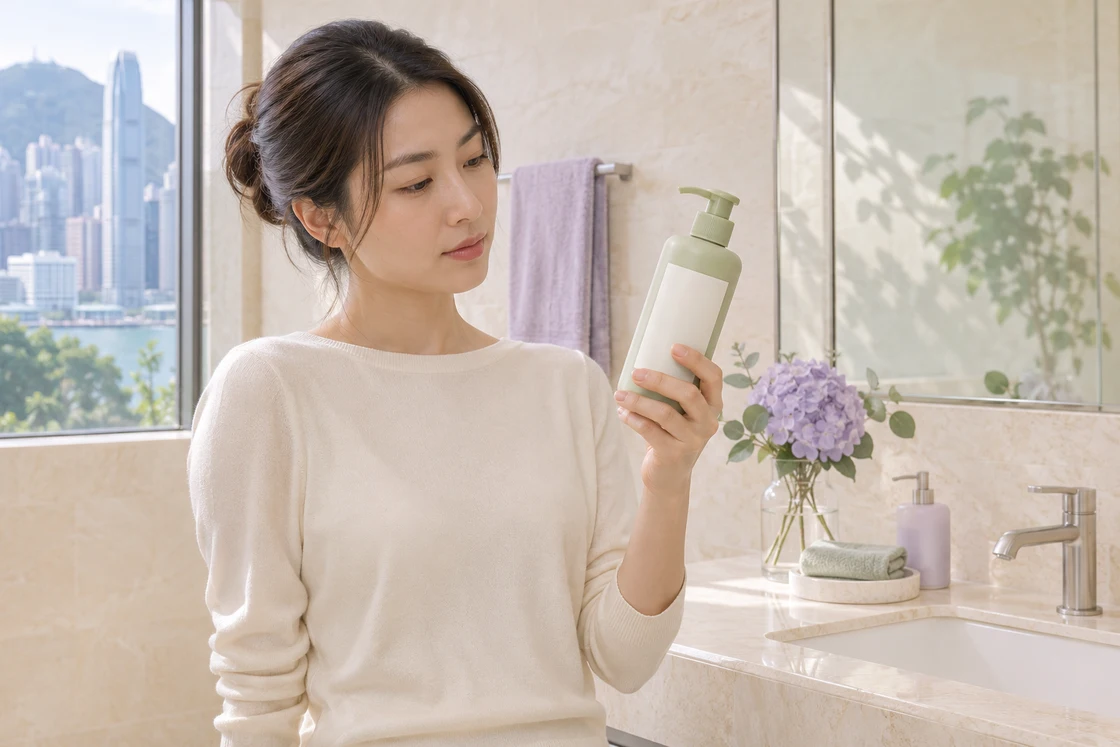
Does the word “natural” make a shampoo sound gentler? Start with what you actually notice: tightness after washing, roots that get oily quickly, or ends that tend to tangle.
THE SHORT ANSWER
“Natural” tells you about ingredient origin, not necessarily how a formula will cleanse or how your scalp will respond. Consider the full formula, the directions and how it feels after washing.
Read on for what the label can tell you, which details to check and what to notice when you use the product.
Shoes made from quality materials with careful workmanship still need to suit your feet, size and purpose. Running shoes and work shoes have different strengths. The source of the leather alone does not tell you how comfortable they will be.
Shampoo choices follow a similar logic. Product quality matters, but are you concerned about tightness after washing, oiliness, tangles or recurring dandruff? Different needs call for different priorities. A friend's comfortable experience is useful context, but your scalp needs its own answer.
This analogy explains why quality and personal suitability are different. It does not mean every scalp problem can be solved by trying a few shampoos.
The US FDA notes that ingredient origin alone does not determine safety. Some plants contain potential allergens, so botanical extracts do not guarantee zero irritation. Equally, an unfamiliar name does not make a manufactured ingredient harmful.
Consider what an ingredient does, its conditions of use in the formula and the product's safety information. You can still prefer natural origins while judging safety, effectiveness and personal tolerance separately.
Sources: [1]FDA: Organic Cosmetics [2]FDA: Product Testing of Cosmetics
Essential oils bring botanical scents, but plant origin does not make them gentle for everyone. The American Academy of Dermatology's contact dermatitis information includes examples of reactions to essential oils and shampoo. Some people may not tolerate particular ingredients; this does not mean everyone must avoid all essential oils.
If a product repeatedly causes itching, stinging or a rash, record its name, timing and directions, and pause the suspected product. Do not interpret discomfort as detoxing or a necessary adjustment. Follow relevant advice to avoid known fragrance or ingredient allergens.
Sources: [3]American Academy of Dermatology: Contact dermatitis symptoms
The same ingredients can produce different dishes when quantities and preparation change. A shampoo ingredient list is an important starting point, but one star ingredient may not tell you how the complete product performs.
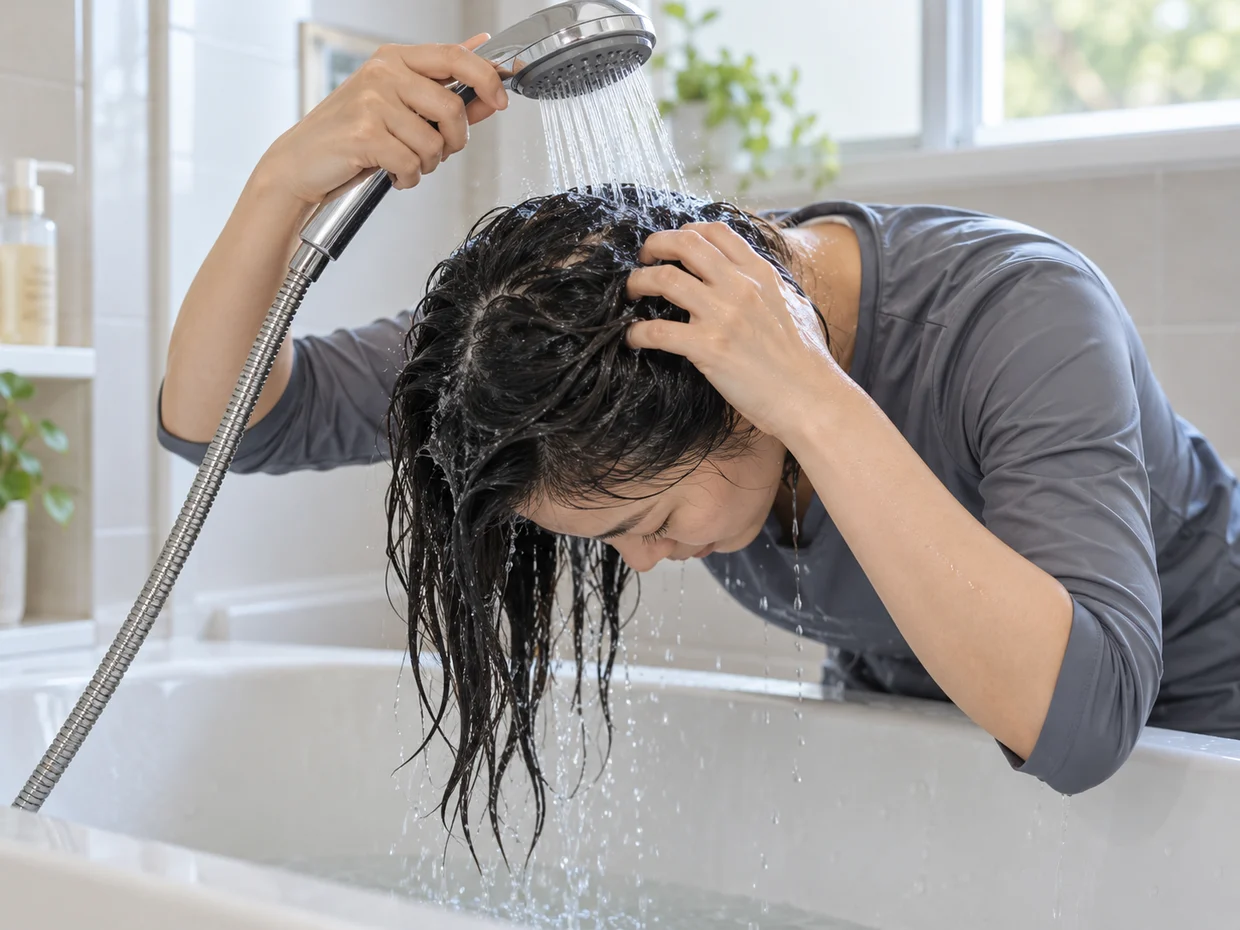
Cleansing, conditioning, moisturising, fragrance and preservation each have a role. Concentration, ingredient combinations, contact time and rinsing affect use and performance. A long ingredient name does not mean danger, and a familiar name cannot replace formulation assessment.
When a plant ingredient is supported by research, ask whether the study tested the raw ingredient, a laboratory model or this finished product. Were the amount, application and results comparable? Ingredient research does not prove the same effect for every shampoo containing it.
Sources: [2]FDA: Product Testing of Cosmetics [4]Technical document on cosmetic claims (2017; non-binding guidance)
Advertisements and influencer reviews can introduce products and describe scent, texture and personal experience. Frequent advertising, familiar brands and many recommendations are not independent proof of quality, safety or effectiveness. Another person's comfort does not guarantee the same scalp response for you.
You need not dismiss or accept a recommendation immediately. Ask three questions: Are the full ingredients and purpose clear? What result does “effective” mean: smoother hair, comfort after washing or improved dandruff? Is the evidence personal experience, a consumer survey or a finished-product test, and are the participants and directions relevant to your circumstances?
Gifts, commissions and commercial partnerships provide useful context for a recommendation. A partnership alone does not establish product quality; specific claims still need appropriate support. The same applies to Lavender Hair's advice. You can ask why a product was suggested and what results are reasonable to expect.
Sources: [5]US FTC: Advertising endorsements, testimonials and supporting evidence [4]Technical document on cosmetic claims (2017; non-binding guidance)
Free-from usually means certain ingredients were not added. It cannot alone guarantee lower allergy risk or greater effectiveness. Preservative-free does not mean no preservation design: pH, water activity, packaging and multifunctional ingredients can all affect microbial risk. These factors are not all preservatives, and no single factor establishes the finished product's safety.
Read “Is preservative-free shampoo always safer?” to understand why formulation, packaging and habits also matter.
Sources: [4]Technical document on cosmetic claims (2017; non-binding guidance) [6]ISO 29621:2017: Assessment of low-microbiological-risk products [7]ICCR FAQs on cosmetic preservation (hosted by the European Commission)
Understand preservation systems →You do not have to give up natural ingredients you enjoy. Look a little further into the formula, ask about purpose and evidence, and consider your response. This moves you beyond choosing by labels towards clearer everyday care decisions.
No. Natural describes origin. Some plants, essential oils and fragrances can cause discomfort. Consider the whole formula, previous reactions and directions too.
Not automatically. Interpret certification according to its standards. Certification of ingredients or production methods does not prove that a finished product is low-allergy for everyone or improves scalp problems.
Name length does not determine safety. Understanding ingredient roles, formulation information and directions is more useful than judging by familiarity.
A natural label cannot answer this. Itching and flaking have different possible causes, and everyday cleansers have limits. Choose according to your actual needs.
Do not treat stinging or a rash as a necessary stage. Pause the suspected product, record the reaction and how you used it, and investigate the cause.
You can have only the free check. Understand the observations and care options before deciding whether to change products or arrange further care.
Recommendations can provide product information and personal experiences, but exposure and popularity cannot replace quality or effectiveness evidence. Check the full ingredients, specific claims and whether supporting information applies to your needs.
First published:
If you’d like to review your routine, bring photos of the products you use and tell us how your scalp feels after washing. A free scalp check looks at visible surface features and opens a conversation about everyday care. It doesn’t diagnose a condition, and there’s no need to switch products on the day.
See how a free scalp check worksCopy updated: 29 October 2026