
Dandruff & Itching
Still itchy after washing? Flakes showing up again?
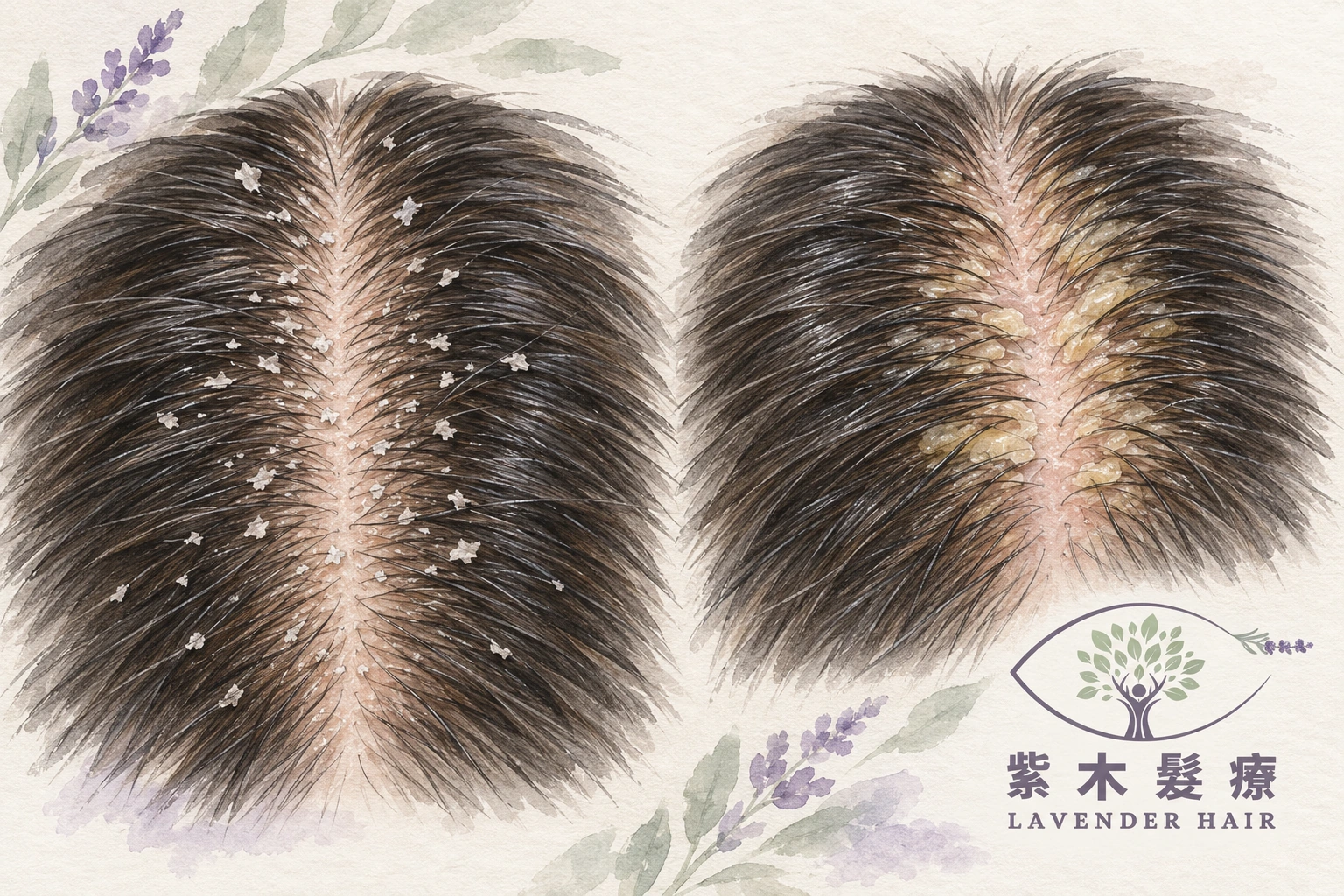
Some flakes brush off easily. Others are larger and stay close to the roots. Before switching shampoos, notice where they appear and how your scalp feels.
Start with appearance and feelFirst published: 6 October 2026 · Copy updated: 27 November 2026
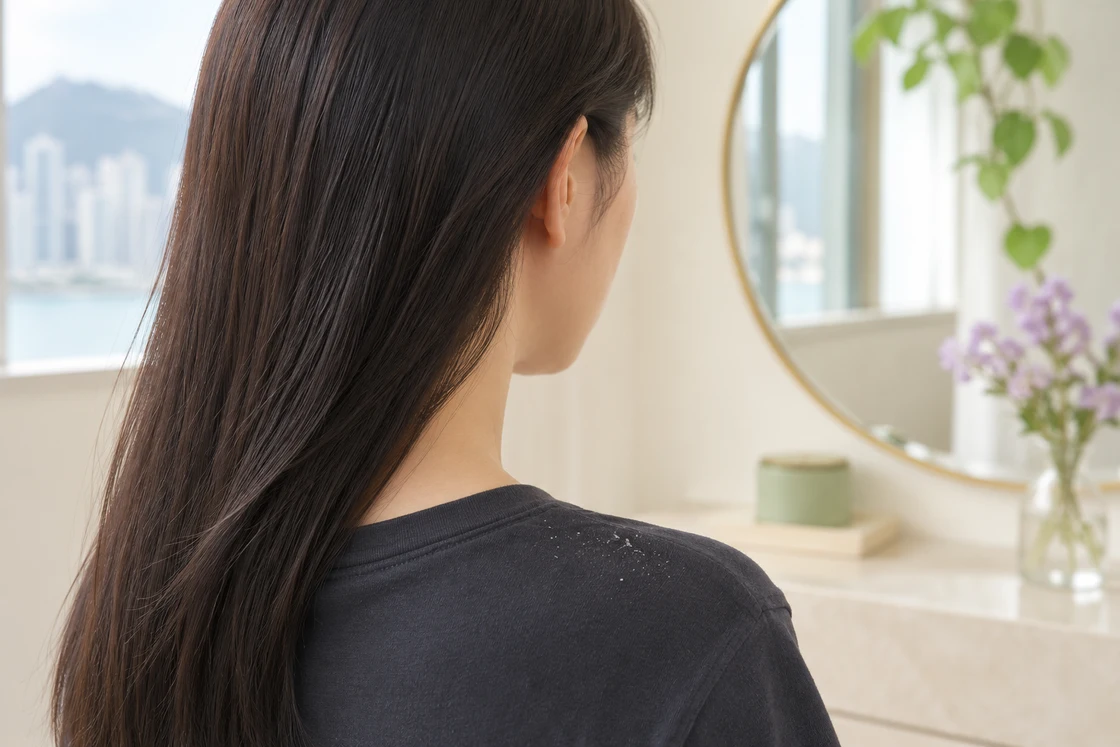
If the flakes look white, what else should you notice?
Note whether the flakes fall away easily or cling to the roots, and whether your scalp feels oily, tight or itchy after washing. Flake size alone cannot identify the cause.
Itching doesn’t always mean you need to wash more
If you switched shampoos or used a new dye or styling product, make a note of when the itching began and whether it happens before or after washing. Avoid scratching with your nails or jumping straight to more frequent washing.
A few small changes to your wash routine
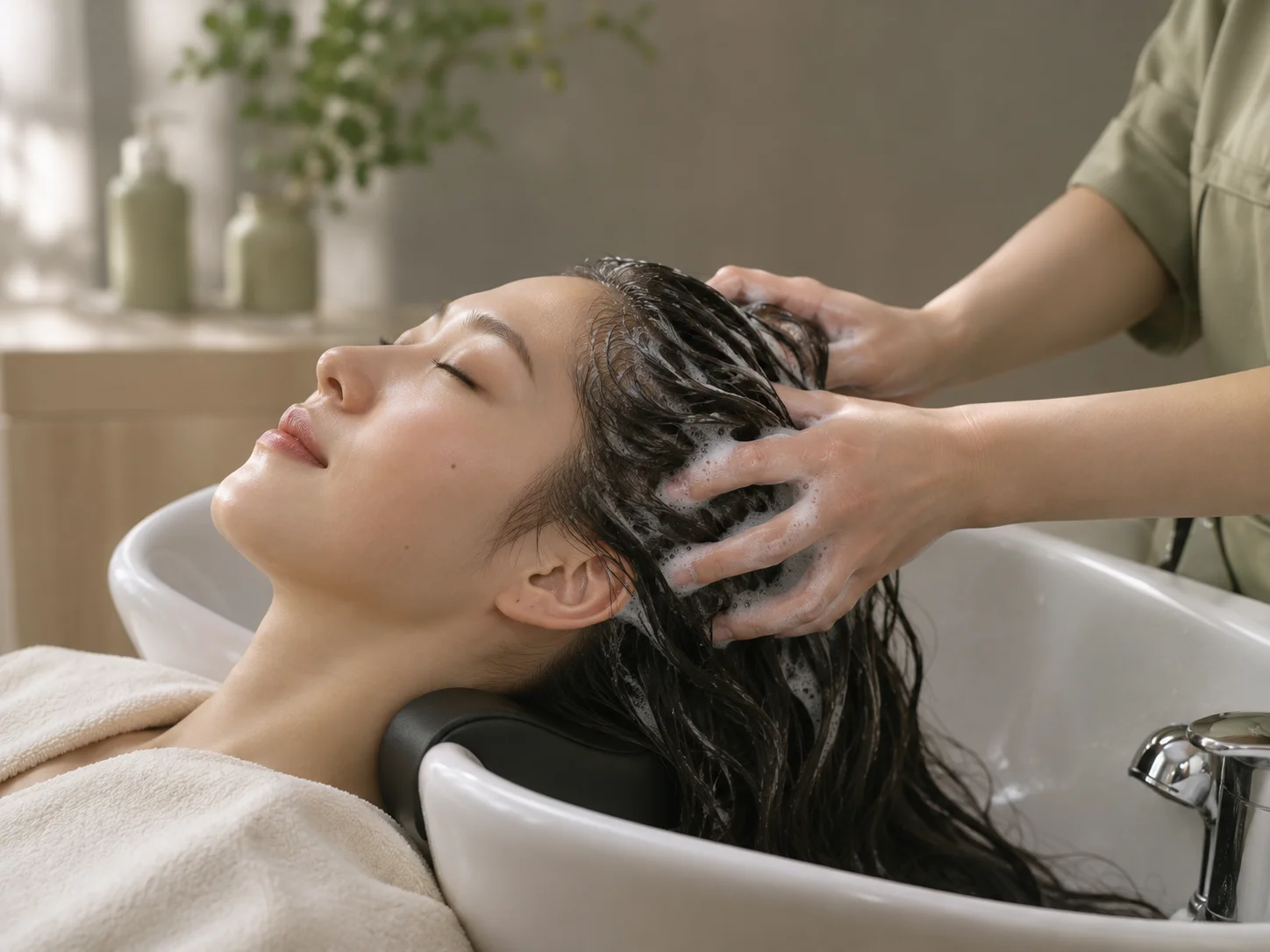
Use comfortably warm water, cleanse with your fingertips and rinse well. Blot gently with a towel. If you blow-dry, choose low to medium heat and keep the dryer moving.
Does leaving an anti-dandruff shampoo on longer help?
Instructions on frequency, where to apply it and contact time differ. Follow the label of the specific anti-dandruff or medicated shampoo. Don’t increase the frequency or leave it on longer on your own.
Four things to note before you change products
Note when and where you see flakes. If you take photos, use similar lighting and try to keep the same parting. Does it happen occasionally, or shortly after a wash? Keeping notes the same way makes changes easier to compare.
Where and when
Crown, behind the ears, or along the hairline? When is it most noticeable?
Appearance
Are the flakes fine and loose, or thicker and more attached?
How it feels
Note oiliness, tightness, itching or redness.
Recent changes
Record any new shampoo, dye or styling product, when you started it, and how you use it.
What can a scalp check show?
Magnified images can record visible flakes, oil, surface build-up and redness. Images alone can’t distinguish eczema, infection or other skin conditions.
If you’d like someone to look with you
Bring what you’re using or a photo if you have one. Read how the free scalp check works, then decide if it would be useful to you.
See how the free scalp check worksTwo more common questions
Do white flakes mean head lice?
Not necessarily. Dandruff and head-lice eggs are different, and colour on its own can’t tell you which you’re seeing.
Will a moisturising shampoo definitely stop the itching?
Not necessarily. Itching has different causes. Note any tightness after washing and whether anything changed after switching products.